|
|
|
| |
Photo Credit: Jennie
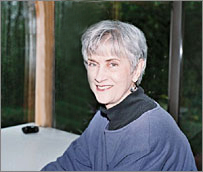
Anne Benigas
|
|
|
|
JUDY'S JOURNAL
June
2026
|
Fast forward to May 2026. Balanchine’s “Donizetti
Variations” were infused with competence but
the dancers seemed constrained by the precision and
delicacy required. In other words, the strength and
exuberance of their athleticism seemed to inform each
dance set.
|
|
|
|
|
What Price, Crowd Pleaser?
Dear Reader,
In an article about a pop art exhibition, Robin Pogrebin wrote
that a “crowd pleaser is often marked by accessible subject
matter, a sense of humor and vivid colors” (“An Artistic
Dialogue” NYT, 4-19-2026). Her definition came to
mind in the days following the Dance Theatre of Harlem’s
2025-2026 season’s final performance in Worcester, Massachusetts.
I have had the pleasure of seeing several of DTH’s performances
in New York City over the decades and must report there are
distinct changes overall, not all of which are comforting to
an older fan of classical ballet. I love all manner of movement,
for example, you could have seen me dance a full two hours,
fifteen minutes at a local disco night/fund raiser recently.
In heels, albeit low ones. When I went to bed that night, I
had leg cramps that would have crippled Attila the Hun.
A co-founder of Dance Theatre of Harlem was Arthur Mitchell
(1934-2018). He was the first Black principal artist with
the New York City Ballet, which was directed by George
Balanchine. Mitchell left NYCB to challenge the world
of ballet with an African American and racially diverse
classically trained company, all with the full support
of Balanchine, who choreographed several dances especially
for the fledgling company. Their dancing was brilliant
and disciplined – their “Firebird” was
one of the most unforgettable experiences I have ever
witnessed.
Fast forward to May 2026. Balanchine’s “Donizetti
Variations” were infused with competence, but the
dancers seemed constrained by the precision and delicacy
required. In other words, the strength and exuberance
of their athleticism seemed to inform each dance set.
The multi-generational audience was politely enthusiastic
in their applause. It seemed as though they endured an
“eat your vegetables first” course before the
good stuff would be served. I felt sad for classical ballet
a la Balanchine, Fokine and Petipa. Yet, the energy, and
yes, athleticism of the newer dances to follow (2024,
2025, 1999) earned the audience’s whoops and hollers
mid-performance (a no-no in the old days). This enthusiasm
may transform a younger audience into company-sustaining
dance aficionados.
That evening, it was James Brown instead of J.S. Bach.
His funkadelic rhythms and jabbing lyrics, accompanied
by Aretha Franklin’s sublime voice in the crowd-pleasing
medley “Return,” earned this New York Times
comment: “a witty fusion of ballet technique and
street gait whose irony toward rhythm-and blues had the
audience in stitches.” Who could argue with that?
These changes in the landscape of dance may keep DTH viable
as a company for more years to come.
|
|
|
|